The Biggest Mistake F1 Visa Applicants Make During Interviews
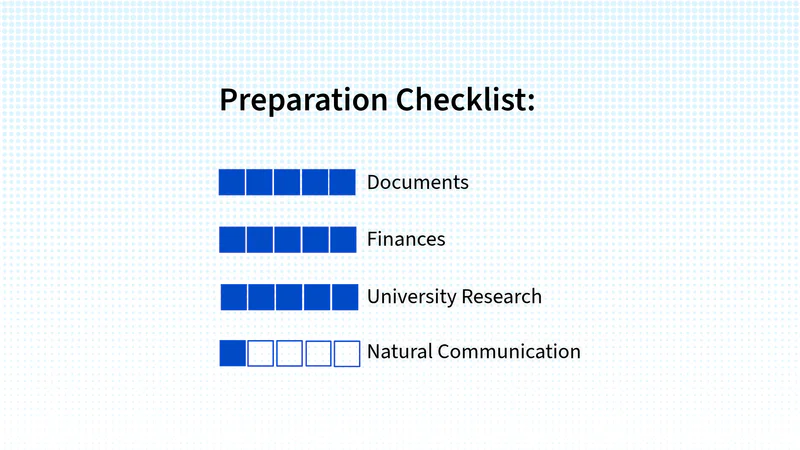
Every year, thousands of international students walk into their F1 visa interview believing they’ve done everything right.
They’ve memorized answers. They’ve watched YouTube videos. They’ve rehearsed with friends. They’ve practiced “perfect responses” late into the night and yet, many still leave the embassy with a refusal.
The surprising part is that the problem often isn’t a lack of preparation. It’s the opposite. The biggest mistake many F1 visa applicants make during interviews is trying too hard to sound correct.
That pressure to sound flawless creates something visa officers notice immediately: robotic communication.
Applicants start speaking like scripts instead of people and in a visa interview that may last only a few minutes, unnatural communication can quietly damage credibility faster than most students realize.
F1 Interview Success at a Glance
Why Students Over-Prepare Answers
Most F1 applicants are not careless they’re anxious. For many students, the visa interview feels like a life-changing checkpoint attached to years of academic effort, family sacrifice, financial planning, and personal ambition. So naturally, they try to reduce uncertainty and that’s where scripted preparation begins.
Students search:
“Top F1 visa questions”
“Best answers for visa interviews”
“Guaranteed visa interview responses”
“How to answer why this university?”
Eventually, preparation turns into memorization. Applicants begin collecting “safe” answers from the internet and polishing them until every sentence sounds polished, formal, and rehearsed. Many applicants don't realize that memorizing answers and learning how to communicate are two completely different skills. The intention makes sense.
Students think:
“If I say the exact right thing, I’ll avoid rejection.”
But visa interviews are not school exams. Visa officers are not grading vocabulary they are evaluating clarity, confidence, consistency, intent, and credibility — often within just a few minutes.
And when answers sound excessively prepared, officers may struggle to understand whether they are hearing a genuine student or a memorized performance. That distinction matters more than applicants expect.
What Nervous, Rehearsed Responses Sound Like
Many applicants don’t realize how obvious rehearsed communication becomes under stress. The moment nervousness enters the conversation, memorized answers often lose their rhythm.
Anxiety affects much more than confidence—it can change speaking speed, clarity, memory, and overall communication quality.
Students begin:
speaking unusually fast,
forcing formal vocabulary,
over-explaining simple questions,
repeating memorized phrases word-for-word,
sounding emotionally disconnected from their own story.
Here’s a common example.
Technically, the second answer sounds more sophisticated but in a real interview setting, it often feels less believable.
Visa officers conduct interviews all day. They hear hundreds of applicants. Patterns become obvious quickly. When communication sounds overly optimized, applicants may unintentionally appear:
less genuine,
less confident,
less spontaneous,
or unsure of their own motivations.
Ironically, students trying hardest to avoid mistakes sometimes create the exact impression they hoped to prevent.
How F1 Visa Interviews Are Evaluated Quickly
One of the biggest misconceptions about visa interviews is believing officers conduct deep, long-form evaluations. In reality, many interviews move extremely quickly. That changes how communication is interpreted. Visa officers are not looking for perfect speeches. They are looking for signals.
Signals of:
clarity,
consistency,
confidence,
educational intent,
financial understanding,
and honest communication.
This is important because many applicants prepare as if they are delivering presentations but F1 interviews usually function more like short conversations under pressure. Officers are assessing how naturally students respond when asked direct questions.
For example:
Why this university?
Why this course?
What are your plans after graduation?
Who is funding your education?
The strongest applicants often answer clearly and directly without trying to sound impressive.
That simplicity matters.
When responses become excessively polished, applicants sometimes create friction instead of clarity. The officer now has to work harder to interpret the real person behind the prepared language and because interviews are brief, there is very little time to recover from communication that feels unnatural.
The Importance of Natural Communication
Natural communication does not mean casual, careless, or unprepared. It means sounding like someone who genuinely understands their own decisions.
Strong F1 applicants usually communicate with:
directness,
calm pacing,
clear reasoning,
conversational language,
and emotional consistency.
They answer questions the way informed people naturally speak about plans they genuinely believe in, which is very different from memorized performance.
For example, many applicants worry their English must sound extremely advanced but clarity matters far more than complexity. Simple, confident answers often create stronger impressions than sophisticated but robotic responses.
Consider these two styles:
Over-rehearsed
“My future objective is to exponentially enhance my technical competencies through global academic exposure.”
Natural
“I want stronger technical training before working in software development, and this program gives me access to specialized AI courses.”
The second response is easier to trust because it sounds real and trust is central to visa interviews.
Visa officers are trying to quickly evaluate whether the applicant’s story, intentions, and communication feel coherent. Students who focus only on “correct answers” often forget that authenticity itself affects credibility.
Practicing Unpredictability Instead of Scripts
This is where preparation strategy matters. Most students practice repetition. Very few practice adaptability. That difference changes interview performance dramatically.
Memorized scripts usually fail the moment:
a question is phrased differently,
the officer interrupts,
anxiety spikes,
or the conversation moves unexpectedly.
That’s why realistic preparation should focus less on memorizing exact wording and more on becoming comfortable discussing your story naturally.
The goal is not to sound rehearsed. The goal is to remain clear under pressure.
A better preparation approach includes:
1. Practicing concepts instead of exact sentences
Know your reasons. Know your academic goals. Know your financial situation, but avoid memorizing entire paragraphs.
2. Answering unexpected follow-up questions
Real interviews are unpredictable. Practicing flexibility helps students stay composed when conversations shift direction.
3. Simulating pressure
Many applicants only practice in low-pressure environments but embassy interviews feel different because the stakes feel real. Practicing under realistic conditions helps reduce panic responses.
4. Reviewing communication habits
Students are often unaware they:
ramble,
avoid eye contact,
over-explain,
rush answers,
or sound monotone.
Feedback matters because communication problems are usually difficult to self-diagnose.
Practice Before Your Interview
☐ Know your academic story☐ Practice answering follow-up questions
☐ Record one mock interview
☐ Review communication habits
☐ Focus on clarity instead of memorization
Why Realistic Practice Changes Performance
One of the biggest advantages of mock interviews is not learning “perfect answers.” It’s becoming comfortable speaking naturally despite uncertainty.
This is also why many traditional mock interviews fail to help applicants, they focus on memorization instead of realistic communication practice. That distinction is important.
Strong preparation creates familiarity. Over-preparation creates rigidity.
When applicants repeatedly practice realistic conversations instead of memorized scripts, they gradually become:
calmer under pressure,
more adaptable,
clearer in their explanations,
and more confident responding spontaneously.
That confidence usually sounds more believable than rehearsed perfection. This is especially important for students who already know their profile is genuine.
In many cases, the issue is not eligibility. It’s communication under stress, and communication improves through repetition, feedback, and simulation — not memorization alone.
Many F1 applicants assume the safest strategy is sounding as polished as possible but visa interviews are not performances. They are short, high-pressure conversations designed to evaluate clarity and credibility quickly.
Trying too hard to sound “correct” often creates the opposite effect. The strongest applicants usually sound informed, calm, and natural — not scripted.
That’s why effective preparation is less about memorizing ideal answers and more about learning how to communicate clearly when the conversation becomes unpredictable.
At Interviewivy, we believe realistic mock interviews help students prepare for the part most online guides ignore: communicating naturally under pressure because in real visa interviews, confidence rarely comes from perfect scripts.
It comes from practicing until your own story feels comfortable to explain naturally.
Disclaimer
This article is for educational purposes only and is not legal or immigration advice. Visa decisions are made solely by U.S. consular officers based on your individual circumstances and applicable U.S. immigration laws and policies. While we strive to keep our content accurate and up to date, requirements and procedures may change. Always refer to official U.S. government resources for the latest guidance.