How To Prepare For An F1 Visa Interview Without Sounding Rehearsed
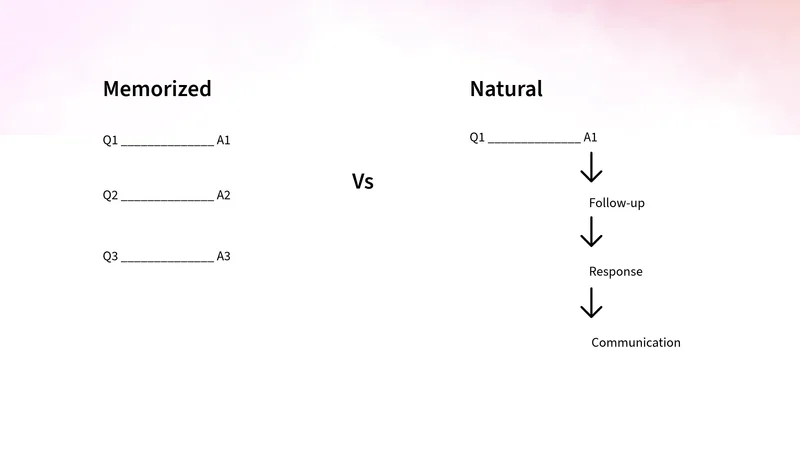
One of the biggest fears F1 visa applicants carry into interviews is not necessarily rejection, it is losing control during the conversation.
Many students worry about:
freezing mid-answer,
sounding robotic,
forgetting what they prepared,
speaking unclearly,
or panicking under pressure.
So they respond the only way that feels safe.
They memorize, rehearse answers repeatedly, practice exact wording, and try to eliminate uncertainty completely.
At first, this feels reassuring but for many applicants, over-memorization quietly creates a new problem: their communication starts sounding unnatural and in visa interviews that often last only a few minutes, robotic communication can affect credibility faster than applicants realize.
The irony is important. Many students rehearse heavily because they are afraid of sounding nervous but excessive memorization often creates the exact stiffness they hoped to avoid.
Why Memorization Creates More Pressure
Most applicants assume memorization reduces anxiety, temporarily it does, knowing what to say feels comforting but memorized preparation creates hidden pressure because applicants begin believing they must deliver answers perfectly. That changes the entire psychology of the interview.
Instead of focusing on conversation, applicants focus on recall and every question becomes a memory test. This is one of the biggest differences between memorizing answers and developing real communication skills.
This creates several problems.
1. Fear of Forgetting Increases
The more rigidly applicants memorize responses, the more dangerous interruptions feel.
If a visa officer:
changes the question slightly,
asks a follow-up unexpectedly,
interrupts mid-answer,
or changes direction quickly,
many applicants suddenly panic because their prepared script no longer fits.
The issue is not lack of knowledge. It’s the dependence on exact wording and under pressure, memorized wording becomes fragile.
When Memorized Answers Start Breaking Down
2. Anxiety Increases When Answers Don’t Sound Perfect
Many students become overly self-aware during interviews. The moment an answer sounds slightly different from practice, they assume something is going wrong.
This often creates visible nervousness:
rushing,
over-explaining,
awkward pauses,
restarting answers,
or sounding emotionally disconnected.
Ironically, applicants trying hardest to sound polished often become less natural.
3. Communication Becomes Robotic
This is one of the biggest risks. Highly rehearsed answers often sound unusually formal, rigid, or emotionally flat.
For example:
Rehearsed response
“This esteemed institution aligns comprehensively with my long-term academic and professional aspirations.”
Natural response
“I chose this university because their engineering program has strong research opportunities in renewable energy, which is the field I want to work in.”
The second answer sounds more believable because it sounds human. Visa officers hear hundreds of applicants. Overly optimized communication becomes noticeable quickly.
Why Natural Communication Matters More Than Perfect Answers
One of the biggest misconceptions about visa interviews is believing there are “ideal” answers officers expect. In reality, visa interviews are usually less about perfect wording and more about believable communication.
Visa officers are evaluating:
clarity,
consistency,
confidence,
intent,
and credibility.
They are trying to understand whether applicants genuinely understand their own plans and can explain them naturally. This is why conversational communication matters.
Strong applicants usually sound:
clear,
direct,
calm,
and comfortable discussing their decisions.
Not scripted.
Not performative.
Not excessively polished.
This does not mean preparation is unnecessary. It means preparation should improve flexibility, not memorization, that distinction changes everything.
What Visa Officers Actually Observe
Many applicants assume officers are searching for “wrong answers.” More often, officers are observing communication patterns because interviews move quickly, officers rely heavily on overall impression. This is why many applicants misunderstand what officers are actually paying attention to during interviews.
That includes:
how naturally applicants respond,
whether answers feel consistent,
how clearly students explain goals,
how applicants handle pressure,
and whether communication feels believable.
For example, when applicants sound excessively memorized, officers may struggle to determine:
whether the student genuinely understands their own plans,
whether responses are authentic,
or whether the applicant is simply reciting prepared material.
That uncertainty can quietly weaken credibility. This is especially important because most F1 interviews are short. There is very little time to recover once communication begins feeling unnatural.
What Officers Notice vs What Applicants Think
Why Freezing Happens During Interviews
Many applicants are terrified of freezing but freezing is usually misunderstood. Applicants often think freezing means:
“I didn’t prepare enough.”
In reality, freezing is often caused by cognitive overload. Applicants are surprised to learn that freezing is a common pressure response, even among well-prepared students.
The brain becomes overloaded trying to:
remember memorized wording,
monitor pronunciation,
control nervousness,
avoid mistakes,
and sound impressive simultaneously.
That mental pressure disrupts communication flow. This is why some applicants unexpectedly forget answers they knew perfectly an hour earlier. The issue is not intelligence it is pressure overwhelming recall and memorization usually increases this pressure because applicants become dependent on exact phrasing.
How To Practice Adaptability Instead Of Scripts
Daily Practice Routine (15 Minutes)
The strongest preparation strategy is not memorizing perfect answers, it is becoming comfortable discussing your story naturally in different ways. That requires adaptability.
1. Practice Ideas, Not Paragraphs
Instead of memorizing exact sentences, focus on understanding:
why you chose your university,
why you selected your course,
your career goals,
your financial plan,
and your long-term intentions.
If you understand your reasoning clearly, you can explain it naturally without needing a script.
2. Practice Unexpected Follow-Ups
Real interviews rarely follow predictable patterns.
Applicants should practice responding when:
questions are shortened,
phrasing changes,
interruptions happen,
or conversations shift direction.
This helps reduce panic during real interviews.
3. Practice Slower Communication
Nervous applicants often speed up unconsciously.
Deliberately practicing calm pacing improves:
clarity,
structure,
confidence,
and comprehension.
Strong communication usually sounds controlled, not rushed.
4. Learn To Recover Naturally
Many applicants panic after small mistakes but natural conversation includes pauses, corrections, and imperfect moments. Applicants who recover calmly usually appear more confident than those trying to maintain artificial perfection.
Why Realistic Mock Interviews Matter
This is where realistic preparation becomes valuable, many students only practice alone or with memorized scripts. That type of preparation rarely reflects real interview pressure.
Realistic mock interviews help applicants experience:
unpredictability,
interruptions,
pressure,
follow-up questions,
and real-time communication challenges.
That exposure matters.
Over time, applicants become less focused on remembering exact wording and more focused on communicating clearly. This shift changes interview performance dramatically. Mock interviews also help applicants identify communication habits they may not notice themselves:
rambling,
over-explaining,
monotone delivery,
weak eye contact,
or robotic pacing.
Most importantly, realistic practice helps applicants build functional confidence. Not confidence based on memorized perfection but confidence based on adaptability.
Many F1 visa applicants believe the safest preparation strategy is memorizing ideal answers but over-rehearsal often creates more pressure, more nervousness, and more robotic communication.
Visa interviews are not performances. They are short, high-pressure conversations designed to evaluate clarity, intent, and credibility quickly. That’s why natural communication matters. The strongest applicants are usually not the ones delivering perfect scripts.
They are the ones who can explain their story calmly, clearly, and naturally even when the conversation becomes unpredictable.
At Interviewivy, we believe effective preparation should focus on realistic communication under pressure - not memorizing flawless responses because real confidence usually comes from repetition, adaptability, and learning how to speak naturally even when the stakes feel high.
Practice speaking naturally instead of memorizing perfect answers.
Disclaimer
This article is for educational purposes only and is not legal or immigration advice. Visa decisions are made solely by U.S. consular officers based on your individual circumstances and applicable U.S. immigration laws and policies. While we strive to keep our content accurate and up to date, requirements and procedures may change. Always refer to official U.S. government resources for the latest guidance.